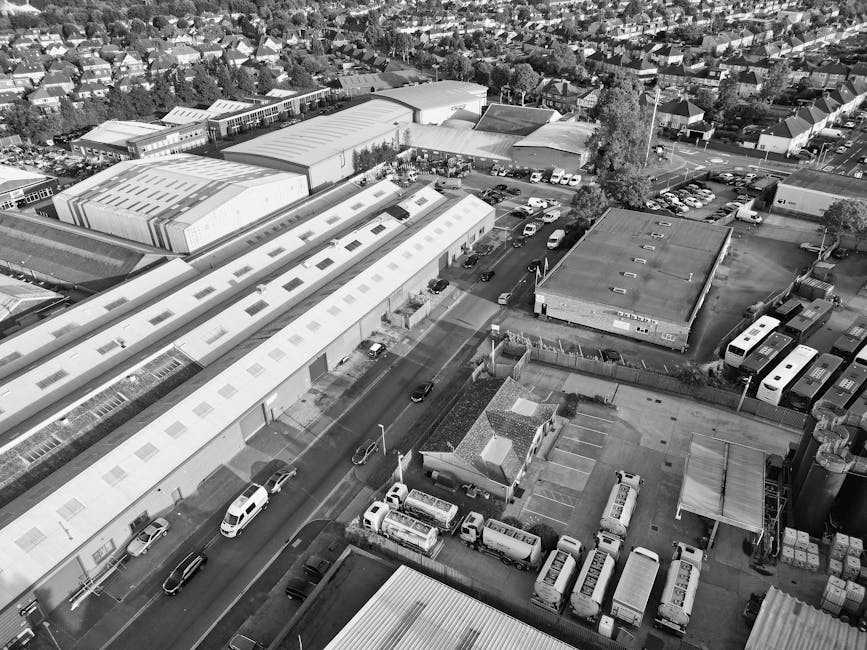
Book commercial removals for Egham Business Park: a practical guide for a smoother business move
If you need to book commercial removals for Egham Business Park, the real challenge is rarely the lifting. It is the timing, the coordination, the paperwork, and making sure your team can get back to work without chaos hanging around for days. A move in a business park has its own rhythm: deliveries coming and going, shared access points, office neighbours, tight parking, and a lot of items that are easy to forget until the last minute. This guide walks you through the whole process in plain English, from planning and pricing to compliance and common mistakes, so you can make a good decision without the usual headache.
Whether you are relocating a small office, moving a storage room, shifting equipment between units, or planning a larger commercial relocation, the aim is the same: reduce downtime, protect your assets, and keep the move orderly. To make that easier, this article also points you to useful services such as commercial moves, office relocation services, and packing and unpacking services where relevant.
And yes, a well-planned move really does save money in the long run. Not glamorous, but true.
Table of Contents
- Why Book commercial removals for Egham Business Park Matters
- How Book commercial removals for Egham Business Park Works
- Key Benefits and Practical Advantages
- Who This Is For and When It Makes Sense
- Step-by-Step Guidance
- Expert Tips for Better Results
- Common Mistakes to Avoid
- Tools, Resources and Recommendations
- Law, Compliance, Standards, or Best Practice
- Options, Methods, or Comparison Table
- Case Study or Real-World Example
- Practical Checklist
- Conclusion
- Frequently Asked Questions
Why Book commercial removals for Egham Business Park Matters
Commercial removals are not just a bigger version of a home move. They are different in almost every practical sense. At Egham Business Park, the move has to work around business hours, shared access routes, security procedures, and the simple fact that other businesses are trying to function at the same time. A van parked in the wrong place for ten minutes can create a chain reaction. A missing crate of files can stall a department. A late arrival can throw the whole day off.
That is why booking the right team matters. You are not just paying for transport. You are paying for sequencing, risk reduction, and someone who understands how to handle office furniture, IT kit, archived paperwork, and stock without turning the day into organised panic. To be fair, even a small office move can feel huge once the chairs are labelled, the desk screens are unplugged, and everyone starts asking where the kettle has gone.
There is also the local angle. Business parks tend to have a different access pattern from high street premises or standalone warehouses. Some units have loading restrictions, some have shared bays, and some need careful coordination with reception or site management. Good commercial removals planning makes those little friction points manageable instead of expensive.
Expert summary: The best commercial move is the one that looks boring on the day. No last-minute scrambles, no missing boxes, no guesswork about who is taking what. Quiet competence is the goal.
How Book commercial removals for Egham Business Park Works
In practical terms, the process usually starts with a short discussion about what needs moving, where it is going, and when it has to happen. That sounds simple, but the details matter. A single office move might include desks, monitors, printers, confidential files, meeting room furniture, trade samples, storage cabinets, and a few awkward items that never fit neatly into a lift or corridor.
After that initial review, the removals team will usually work out the vehicle size, staffing levels, packing support, and route planning. For some jobs, a man with van setup may be suitable. For larger commercial clearances or multi-load relocations, a removal truck hire option or a dedicated moving truck may be the better fit. It depends on volume, access, and how much needs to be completed in one go.
Most businesses benefit from a pre-move plan. That can include room-by-room labelling, a floor plan for the destination, IT shut-down timing, and a named point of contact. If the business is still operating during the move, the plan should also identify what must stay live until the final hour. Internet router? Reception phone? The one filing cabinet everyone forgets is locked? All of it.
For relocations with furniture or surplus items, it is also worth considering whether some things should be removed before moving day. The team may be able to support with furniture pick-up if you need to clear old desks, chairs, or storage pieces that no longer belong in the new layout.
Key Benefits and Practical Advantages
When commercial removals are booked properly, the benefits are easy to feel on the day and even easier to appreciate a week later when everyone is back at work and the office still makes sense.
- Less downtime: A structured move keeps your team productive for longer and reduces the post-move mess.
- Better asset protection: Professional handling lowers the risk of damage to IT equipment, furniture, and files.
- Cleaner coordination: You know who is moving what, when, and where it is going.
- Safer lifting and transport: Heavy or awkward items are handled with the right equipment and technique.
- Improved confidence: Staff feel calmer when there is a plan. Truth be told, morale matters on moving day.
There is also a hidden benefit that does not get enough attention: decision fatigue drops. Once the move is organised, your team stops debating small things like box sizes, cable bundles, and whether the meeting-room whiteboard is "definitely coming." That alone can save everyone a bit of patience.
For businesses that are moving between offices, a more complete office relocation service can be especially useful because it keeps the moving process tied to how a working office actually operates, not just how furniture fits on a lorry.
Who This Is For and When It Makes Sense
This kind of service makes sense for a wide range of businesses. You might need it if you run a small office in Egham Business Park and are moving to a different unit. You might need it if your company is expanding, consolidating departments, or replacing old fit-out furniture. You might also need it if you are closing one site and setting up another on a tight schedule.
It is also relevant for businesses that do not want staff spending an entire day lifting boxes and trying to fit printer cables into the wrong ports. Let's face it, most teams are better used elsewhere.
Typical users include:
- professional services firms
- start-ups moving into larger premises
- retail back-office teams
- light industrial or trade businesses
- shared office tenants
- business owners clearing redundant furniture or old stock
Smaller businesses sometimes assume they can handle the move with a couple of hired hands and a few personal vehicles. Sometimes that works for a tiny move, but once you add monitors, filing, and furniture that is awkward to carry, the risk goes up fast. If you only need a light, flexible move, a man and van service may be enough. If you need a more capable setup, upgrade the plan before the day starts to get messy.
Step-by-Step Guidance
Here is a sensible way to approach the booking process.
- List everything that needs moving. Include furniture, boxes, IT, documents, stock, and anything stored in cupboards or under desks. People always miss something here. Always.
- Decide what should not move. Old furniture, broken monitors, outdated supplies, and duplicated files are worth removing before the relocation.
- Set your move date and access window. Business park access, lift use, loading bays, and security checks should all be reviewed early.
- Choose the right level of help. Some moves need only transport; others need packing support, dismantling, reassembly, or a larger vehicle setup.
- Label by department or destination room. Good labels save hours later. Use plain wording, not cryptic shorthand that only one person understands.
- Protect sensitive items. Confidential files, laptops, and specialist equipment should be packed and tracked carefully.
- Confirm the sequence for arrival and unloading. A smart unload order means the most important areas can be set up first.
- Build in a little buffer. Something always takes longer than expected. Cable management, usually. Or the one drawer that refuses to come out.
If you have items that can be moved separately, or you want to reduce the load on moving day, you can also review whether home moves style planning principles can be adapted for staff who are relocating both office and personal work items. The thinking is similar: pack well, keep essentials separate, and avoid last-minute chaos.
A simple move timeline
Two to four weeks before: confirm inventory, choose the moving date, and decide what gets packed by staff versus movers.
One week before: finalise labels, disconnect non-essential items, and confirm parking or site access arrangements.
The day before: back up data, secure confidential paperwork, and make sure essential kit is clearly marked.
Move day: keep one person available to answer questions. A calm decision-maker is worth their weight in gold on a busy site.
Expert Tips for Better Results
After many commercial moves, a pattern emerges. The smooth ones are rarely the biggest; they are the best prepared.
- Keep one essentials box per department. Put chargers, key documents, stationery, and basic tools in one clearly marked box.
- Photograph cable setups before unplugging. It sounds trivial, but it can save time when reconnecting workstations.
- Empty desks properly. Drawers are sneaky. They hold far more than people remember.
- Use a colour system if the move is large. It helps teams identify zones quickly at the destination.
- Separate breakable items from general office goods. Monitors, glass tables, and display pieces deserve better packing than random cardboard and hope.
- Ask about insurance and handling procedures. It is one of those conversations that feels unexciting until you really need it.
A small but useful trick: put a large, obvious sign on the last-open room. That prevents people from unpacking the wrong area first. Sounds obvious, but on a busy morning it is easy to get turned around.
And if your move includes furniture that is being replaced rather than reinstalled, planning a separate disposal route can help. A lot of businesses combine commercial moving with removal of surplus items, and that can keep both the new and old spaces tidy.
Common Mistakes to Avoid
The biggest mistake is underestimating the amount of work hidden inside a "simple" office move. The second biggest mistake is leaving everything until the end and expecting the removals team to sort it out in real time. That approach usually creates avoidable stress.
- No inventory: If you do not know what is moving, you cannot plan the load properly.
- Mixing essential and non-essential items: This leads to delays when people need one critical folder or device.
- Poor labelling: Blank boxes or vague labels cause confusion at unloading.
- Ignoring access restrictions: Business parks often have rules about vehicles, loading times, and bays.
- Not checking dismantling needs: Some desks and storage units will not fit through doors intact.
- Forgetting waste and unwanted items: Old stock, broken furniture, and redundant equipment need a separate plan.
Another common problem is assuming that "commercial removals" means only transport. In reality, a move often benefits from packing help, furniture handling, and route planning. If your team needs assistance on the packing side, packing and unpacking services can reduce pressure and keep the process more orderly.
Tools, Resources and Recommendations
You do not need fancy tools to organise a good move. You need practical ones. A spreadsheet is still one of the best moving tools ever invented, which is amusingly unglamorous but absolutely true.
Useful resources to prepare internally:
- an inventory sheet for rooms, furniture, and devices
- a label list by department or floor
- a contact list of staff responsible for key areas
- a floor plan for the new premises
- a quick decommissioning checklist for IT and telecoms
- a waste list for items that should be removed before move day
For larger loads, a dedicated vehicle can help keep the process efficient. Depending on the job, a removal truck hire arrangement may be the right fit, especially if the business needs to move a lot in one coordinated run. For more straightforward or mixed-size jobs, a moving truck can still give you the capacity you need without overcomplicating the day.
It is also worth choosing a mover that is open about pricing, payment, and service terms. Clear information on pricing and quotes and payment and security helps you budget sensibly and avoid awkward surprises later.
Law, Compliance, Standards, or Best Practice
Commercial removals involve more than logistics. There are sensible compliance and best-practice considerations, especially when a business is handling confidential data, heavy furniture, electrical equipment, or site access rules.
In the UK, businesses are generally expected to manage health and safety responsibly, including safe manual handling, safe access routes, and sensible control of moving risks. You do not need to turn the relocation into a legal research project, but you should think about worker safety, access to emergency exits, and how items will be carried through shared corridors or stairwells.
Some practical best-practice points include:
- keeping walkways clear during loading and unloading
- separating confidential files from general goods
- making sure electrical items are disconnected safely
- avoiding overloaded boxes that can split in transit
- checking that the mover has appropriate insurance and handling standards
- using clear site instructions for drivers and staff
If your business has its own procedures, follow them first. If the site manager has parking or loading instructions, treat those as part of the move plan, not a side note. Small details matter. They always do.
For businesses that care about disposal and reuse, sustainability is also relevant. If the move produces unwanted furniture or mixed office waste, it is sensible to review recycling and sustainability before the date arrives so you can separate reusable items from true waste.
Options, Methods, or Comparison Table
Different business moves need different levels of support. Here is a straightforward comparison to help you choose a sensible approach.
| Option | Best for | Strengths | Trade-offs |
|---|---|---|---|
| Man and van | Small office loads, light commercial items, a few desks or boxes | Flexible, simple, usually quick to arrange | Limited capacity for larger or multi-room moves |
| Moving truck | Mid-sized relocations with more furniture and equipment | Better load space, more efficient for fuller moves | Needs better access planning and loading coordination |
| Removal truck hire | Bulkier commercial moves or higher-volume premises | Good for structured, larger-scale transport | More planning needed, especially for access and timing |
| Commercial move service | Businesses wanting end-to-end support | Can include packing, movement, placement, and organisation | May be more involved than a simple transport-only booking |
There is no single best option for every business. The right choice depends on volume, urgency, access, and how much you want handled by the removals team rather than your own staff. If you are unsure, start with the job size and work backwards. That is the honest way to do it.
Case Study or Real-World Example
Here is a realistic example. A small professional services office in a business park needs to move from one unit to another at the end of the week. The team has eight desks, three storage units, a meeting table, a printer station, archived files, and several laptops. There is also a handful of older chairs that the business does not want to take along.
The move goes more smoothly once the office manager separates the job into three parts: keep, move, and remove. Documents are boxed by department. IT kit is packed separately and labelled. The furniture that is no longer needed is cleared out before the final move day, which makes loading simpler and keeps the new space from being cluttered with junk on arrival.
On the day itself, the movers can focus on transport and placement rather than sorting the office on the fly. The destination team receives the boxes by zone, the desks are assembled in the right rooms, and the business is able to reopen far quicker than it would have if everything had been left to chance. Nothing magical. Just good planning, a sensible vehicle choice, and a bit of discipline.
That kind of result is usually what people want when they first search for commercial removals, even if they do not phrase it that way. They want the office to land safely and get back to normal. Understandable, really.
Practical Checklist
Use this before you confirm the booking.
- Have you listed every item that needs to move?
- Have you identified furniture, IT, stock, and confidential files separately?
- Do you know what will be discarded, donated, or recycled?
- Is the access route at Egham Business Park confirmed?
- Have you checked loading bay restrictions and parking arrangements?
- Have you chosen the right vehicle size and service level?
- Have you labelled boxes by room, team, or destination area?
- Have you backed up any important digital data?
- Have you nominated one person to manage decisions on the day?
- Have you checked pricing, payment terms, and service inclusions?
- Have you reviewed insurance and handling expectations?
- Have you planned for any furniture disposal or recycling?
If you can tick most of those boxes, you are already ahead of many businesses. Seriously. A little prep goes a long way.
Conclusion
Booking commercial removals for Egham Business Park is less about finding the nearest van and more about building a move that protects your time, your equipment, and your team's sanity. The best results come from clear planning, realistic timing, the right vehicle, and a mover who understands that business relocations are about continuity as much as transport.
Think of it this way: the more calmly the move is handled, the sooner your business feels settled again. That matters whether you are shifting five desks or fifty. And if the job includes furniture clearing, packing support, or a larger commercial load, it is worth choosing the service level that fits the work rather than the one that merely looks simplest on paper.
If you are planning a relocation, review the options, line up your access details, and take the time to get the scope right. That bit of care at the beginning tends to save a lot of stress later. A move done well feels almost invisible afterwards, and honestly, that is the best sign of all.
Get a free quote today and see how much you can save.
Frequently Asked Questions
What does commercial removals for Egham Business Park usually include?
It normally covers the collection, transport, and placement of office or business items such as desks, chairs, files, IT equipment, and storage furniture. Depending on the booking, it may also include packing help, dismantling, and reassembly.
How far in advance should I book a business move?
For a small move, a short lead time may be workable, but it is usually better to book as early as you reasonably can. That gives you time to organise access, labelling, staff responsibilities, and any items you want removed separately.
Can a commercial removals team handle sensitive documents?
Yes, but the documents should be packed and labelled carefully, and you should decide in advance who is responsible for confidential material. A good move plan keeps sensitive files separate from general office items.
What if my office has awkward access or limited parking?
That is exactly the kind of detail that should be shared during the booking stage. Access issues are common in business parks, so it helps to confirm loading bays, entry routes, and any restrictions before move day.
Is a man and van service enough for a small office move?
Sometimes, yes. If the load is light and straightforward, a man and van arrangement can be a practical option. If the move is larger or more complex, you will usually want something more substantial.
Should I pack the office myself or use packing support?
That depends on your team's time and the type of items you are moving. Packing support can save time and reduce damage risk, especially if you have a lot of files, fragile equipment, or mixed office contents.
What happens to old furniture we do not want to take?
Unwanted items can often be removed before or during the move, depending on the arrangement. If you need to clear out desks, chairs, or other office pieces, a separate furniture pick-up can keep the main relocation much tidier.
How do I reduce downtime during a commercial move?
Label everything clearly, move non-essential items first, back up digital data, and schedule the most disruptive work outside your busiest hours if possible. The goal is to keep the business running while the physical move happens.
Do I need to dismantle desks and furniture first?
Not always, but it depends on the item and the access route. Some furniture can move assembled, while other pieces need to come apart to fit through doors, lifts, or corridors. Check this before the day starts.
How do I know which vehicle size I need?
Start by listing the volume of furniture, boxes, and equipment. A larger load or a fuller office usually suits a moving truck or removal truck hire, while a small clear-out may only need a lighter setup.
Can commercial removals include packing and unpacking?
Yes, and for many businesses that is the part that makes the whole move feel manageable. If you want help at both ends, packing and unpacking services can keep the process structured and quicker to settle.
What should I ask before confirming a quote?
Ask what is included, what is excluded, how the move is timed, what vehicle will be used, and how any special items will be handled. It is also sensible to ask about insurance, payment, and the plan for furniture disposal or recycling.
Is sustainability relevant for office removals?
Yes. Many businesses want to reuse, recycle, or responsibly dispose of furniture and equipment rather than send everything to waste. Planning that early helps you separate reusable items from items that really need removal.
Where can I learn more about the company before booking?
You can review the company background on about us and check service details before making contact. If you are ready to ask a question or start a booking, the contact us page is the natural next step.