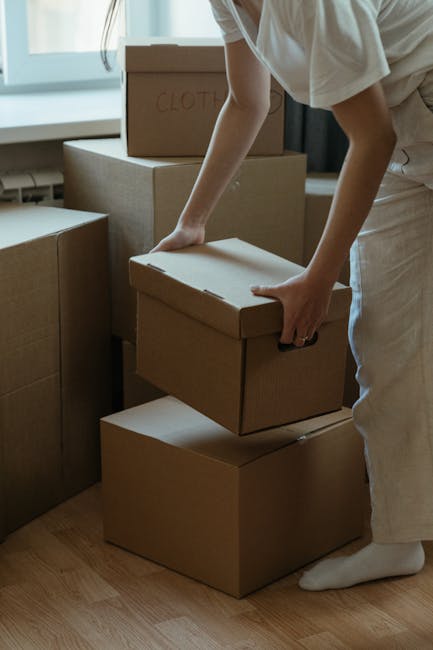
Egham removals packing support options to save time and prevent damage
Moving house or office in Egham can feel straightforward right up until you look at the kitchen cupboards, the bookshelves, the awkward lamp, and that one box of mixed bits and bobs that somehow multiplies overnight. Truth be told, packing is often where a move goes from manageable to mildly chaotic. That is exactly why Egham removals packing support options to save time and prevent damage matter so much. The right help can shave hours off the process, protect fragile items, and take a lot of the pressure off your moving day.
Whether you are moving from a flat near the station, relocating a family home, or shifting an office with monitors and files, there are several ways to get packing support that suit different budgets, timelines, and risk levels. This guide breaks down how the options work, what they protect against, and how to decide what makes sense for your move.
Table of Contents
- Why packing support matters
- How packing support works
- Key benefits and practical advantages
- Who needs this and when it makes sense
- Step-by-step guidance
- Expert tips for better results
- Common mistakes to avoid
- Tools, resources and recommendations
- Law, compliance, standards, or best practice
- Options, methods, or comparison table
- Case study or real-world example
- Practical checklist
- Conclusion
- Frequently asked questions
Why Egham removals packing support options to save time and prevent damage Matters
Packing is not just about putting things in boxes. It is about protecting shape, weight, value, and sentiment. A chipped plate is annoying. A shattered mirror is worse. A damaged television, office printer, or family heirloom can turn a moving day into a very expensive lesson.
In practical terms, packing support matters because most damage during a move happens before the van even sets off. Items move inside boxes, boxes collapse if overloaded, and badly wrapped corners get knocked when carrying them down stairs or through narrow hallways. Egham has its fair share of homes with tight entrances, parking awkwardness, and stairs that seem to get steeper with every trip. Packing properly helps you avoid the usual little disasters.
It also matters for time. If you have ever stood in a kitchen at 10pm, staring at half-packed drawers and a roll of tape that has vanished into the ether, you already know the problem. Professional packing support, or even a partial packing service, can turn that last-minute scramble into a calmer, more orderly process.
Expert summary: good packing support reduces breakage risk, speeds up loading, and makes unpacking far less painful. If your move includes fragile, bulky, awkward, or sentimental items, it is often worth considering at least partial help rather than trying to do everything yourself.
How Egham removals packing support options to save time and prevent damage Works
Most packing support options fall into one of three broad models. You can pack everything yourself, use a hybrid service, or hand the whole job over to trained packers. The right choice depends on your budget, how much time you have, and how confident you feel about protecting your belongings.
1. Self-packing with guidance
This is the most hands-on option. You buy or source your own materials, pack your belongings, label everything, and leave the removals team to transport them. It works best if you are organised, not moving too much, and happy to spend several evenings on the task.
You can still get useful advice from a removals company on box sizes, wrapping methods, and what to pack first. That support may seem basic, but it makes a real difference. A small box for books, for instance, is much safer than a giant box filled with hardback novels. Your back will thank you too.
2. Partial or fragile-only packing
This is a popular middle ground. You handle the straightforward items and let the movers pack the delicate or awkward stuff: glassware, mirrors, artwork, lamps, electronics, ornaments, kitchenware, or anything unusually valuable. It saves time while lowering the risk where it matters most.
For many Egham households, this option hits the sweet spot. You keep costs under control and still get expert handling for the things most likely to be damaged.
3. Full packing service
With a full packing service, the team arrives with the right materials and packs the entire property for you. This is especially helpful if you are short on time, moving on a tight deadline, or managing a stressful life event on top of the move itself. It is also a sensible option for larger homes and busy office relocations.
The main benefit is consistency. Boxes are packed to a standard method, fragile items are wrapped properly, and everything is labelled in a way that makes unloading easier. Fewer unknowns. Less faff. More control, oddly enough.
What good packing support usually includes
- Appropriate box sizes for different item types
- Wrapping materials such as paper, bubble wrap, and furniture protection
- Labelling and room-by-room organisation
- Careful packing of fragile and high-risk items
- Advice on disassembly for beds, desks, and bulky furniture
- Optional unpacking support at the destination
The best services do not simply stuff things into boxes and hope for the best. They think about weight distribution, cushioning, and how the load will behave in transit. That detail is what keeps damage down.
Key Benefits and Practical Advantages
There are obvious benefits to packing support, and then there are the quieter ones you only notice on moving day. Both matter.
Less damage, less stress
Proper packing reduces the chance of breakages, scuffs, crush damage, and moisture issues. It also lowers the stress that comes from wondering whether the good china will survive the trip. Let's face it, nobody wants to open a box at the other end and hear that sickening rattle.
Faster moving day
When items are packed correctly and labelled clearly, loading is quicker. The removals team can stack boxes more safely, place fragile items where they belong, and avoid pause-after-pause while someone wonders which box contains the kettle. Small thing. Big difference.
Better use of space
Professional packers know how to fit items efficiently without overstuffing boxes. That matters because poor packing wastes van space and can mean more trips, longer loading times, and more handling. With a smarter packing plan, you often need fewer boxes than you expected.
More predictable unpacking
Good packing support is not just about leaving the old place; it is about arriving in the new one with a system. Clear labels, grouped items, and room-based boxes make unpacking much easier. One box for teas, mugs, and a kettle can save your first morning from feeling like a camping trip.
Reduced lifting risks
Boxes that are too heavy or badly packed are awkward to carry. They tip, split, or force people into poor lifting positions. That is especially relevant if stairs, long walks from the van, or parking restrictions add extra carrying distance.
In short: packing support saves time because it removes guesswork. It prevents damage because it gives every item the right level of protection. Simple, but very effective.
Who This Is For and When It Makes Sense
Not every move needs a full packing service. Sometimes a few strong boxes and a free weekend are enough. But there are plenty of situations where support makes very good sense.
Home movers with limited time
If you work long hours, have children, or are moving on a short timeline, packing can become the one task that keeps slipping to the bottom of the list. A hybrid or full service can stop that from spiralling.
Families moving larger households
The more rooms you have, the more packing decisions you need to make. Toys, books, clothes, kitchenware, school bits, seasonal decorations, chargers, paperwork... it adds up quickly. Families often benefit from a mix of self-packing and professional support.
Students and sharers
Even smaller moves can be deceptively fiddly. Shared houses often contain a random mix of cheap furniture, breakables, and scattered belongings. A man and van style move may suit the transport side, while packing support keeps the chaos down. If that sounds familiar, it is probably because it is familiar.
Office and business moves
For businesses, packing is not just about fragility. It is about continuity. Files, laptops, printers, displays, and stock need to be organised so the team can get up and running again quickly. An office relocation usually benefits from labelled packing, department grouping, and a clear unpacking plan.
You can learn more about business moves through commercial moves and office relocation services if your move has more operational pressure than a typical house move.
People with fragile or valuable items
If you are moving glass furniture, artwork, collectibles, musical instruments, mirrors, or high-value electronics, specialist packing support is worth serious consideration. These items are not hard to pack badly, unfortunately. They are easy to pack badly. That is the problem.
Step-by-Step Guidance
If you want to save time and prevent damage, follow a methodical process rather than packing room by room at random. A bit of structure goes a long way.
Step 1: Sort before you pack
Do not wrap and box everything straight away. First, separate items into keep, donate, recycle, and dispose. If you are cutting down what moves with you, it is worth reading how to streamline your belongings before moving house. Less clutter means less packing, fewer boxes, and usually less stress.
This is also the point to deal with obvious bulky items you no longer want. Some people arrange a furniture pick-up rather than paying to move something they will not use again.
Step 2: Gather the right materials
You need more than boxes. Think tape, marker pens, paper, padding, and protective wraps for corners, glass, and electronics. For bedding and soft furnishings, clean bags or covers help keep dust down. A last-minute search for tape at 9pm is not the glamorous part of moving, but there it is.
Step 3: Pack room by room
Packing by room keeps things organised and makes unpacking easier. It also stops items from being spread across random boxes, which is how a saucepan ends up packed with cables and a rogue pair of gloves.
Step 4: Protect fragile items properly
Use enough cushioning to stop movement inside the box. That means wrapping each item, filling gaps, and avoiding empty space where possible. Plates should be packed on edge, not flat, and glasses should be cushioned individually. Heavy items belong at the bottom, lighter items on top.
Step 5: Label clearly and consistently
Labels should say more than "misc" or "stuff." Include the room, a rough contents note, and whether the box is fragile. If you are moving into a large property or office, numbered box lists can be helpful too.
Step 6: Set aside essentials
Keep a separate essentials box or bag for the first night and first morning. Include chargers, toiletries, medication, basic kitchen items, snacks, kettle supplies, documents, and a change of clothes. You will be grateful later. Very grateful.
Step 7: Confirm what the removals team is handling
Before moving day, make sure you know whether the team is packing everything, only fragile items, or just transport. This avoids overlap and missed items. If you are comparing different transport choices, pages like man with van, man and van, and removal truck hire may also help you match the right level of support to the size of the move.
Expert Tips for Better Results
There are a few practical habits that make packing support work much better. These are the sorts of details that often separate a smooth move from a slightly frantic one.
Use smaller boxes for dense items
Books, tools, and crockery get heavy very quickly. A smaller, well-packed box is easier to carry and less likely to fail at the base. A bigger box might look efficient, but once it is full of hardback books it becomes a brick with handles. Not ideal.
Keep similar weight together
Mixing very heavy items with very light or fragile ones creates pressure points. Professional packers avoid that because it increases the chance of crushing or bending.
Don't overuse tape, use it smartly
Too much tape can make unpacking awkward and does not automatically strengthen a badly packed box. A well-closed box with the right size and fill is better than a box wrapped like a parcel from a spy film.
Photograph awkward setups before dismantling
If you have furniture with multiple parts, cables, shelves, or special fittings, take a quick photo before taking anything apart. That saves time later and avoids the classic "why does this screw remain?" moment.
Pack an evening before, not the morning of
If you can, finish most packing the day before collection. Moving morning always moves faster than you think, and there is usually one item left that absolutely refuses to behave.
Ask about specialist support for difficult items
Some items deserve more than a standard box. Pianos, large mirrors, flat-screen televisions, and delicate cabinets may need different handling. If an item feels awkward in your hands, there is probably a reason.
Build in a little breathing room
Good packing support is not just about speed. It is about avoiding a rushed finish. Give yourself margin. A calm final hour beats a panicked final five minutes, every time.
Common Mistakes to Avoid
Most packing damage comes from a few repeat mistakes. Avoid these and you are already ahead of the game.
- Using oversized boxes for heavy items. They are harder to lift and easier to break.
- Packing fragile items with no padding. Even soft travel can cause chips and cracks.
- Leaving labels vague. "Kitchen" is useful. "Misc" is not.
- Waiting until the final night. Rushed packing causes bad decisions, and bad decisions travel well into moving day.
- Not protecting furniture corners. Corners catch on doorframes more often than people expect.
- Ignoring weather or damp risks. If it is a wet day, boxes and loose fabrics need extra care.
- Forgetting the essentials box. A surprising number of people do this. Then spend the first morning hunting for a toothbrush.
One more subtle issue: people often over-pack sentimental boxes because they are afraid of leaving anything behind. That can create a heavy, fragile mess. Better to separate sentimental items into carefully cushioned smaller boxes and keep them clearly marked.
Tools, Resources and Recommendations
The right tools do not make packing fun, but they do make it work. A few well-chosen materials are usually better than a huge pile of random supplies.
Useful packing materials
- Strong cardboard boxes in mixed sizes
- Wardrobe boxes for hanging clothes
- Packaging paper or plain wrapping paper
- Bubble wrap for delicate or unusually shaped items
- Furniture blankets or covers
- Heavy-duty tape
- Permanent marker pens
- Zip bags for screws, cables, and small parts
Helpful service pages
If you are planning a residential move, start with home moves or house removalists. If you need practical support with loading and transport, moving truck services may be relevant. For a fuller handover, look at packing and unpacking services.
It can also help to review planning and cost pages before you book. The pricing and quotes page is useful if you want to understand what is typically included, while the blog post on avoiding hidden fees with Egham removals quotes gives a practical view of how to compare offers.
If you are thinking about vehicle size, access, or parking constraints, local move planning content such as TW20 flat moves staircase and parking solutions in Egham may be especially handy.
Law, Compliance, Standards, or Best Practice
Packing support itself is not usually about regulation in the way some specialist services are, but good practice still matters. A reputable removals company should handle belongings with reasonable care, use suitable equipment, and communicate clearly about what is packed, what is excluded, and how fragile items are treated.
It is sensible to ask about insurance and safety arrangements before booking. That does not mean expecting every possible mishap to be covered in the same way, but it does mean understanding what level of protection is in place and whether particularly valuable items need separate discussion. If you want a clearer overview, see insurance and safety and the company's health and safety policy.
There is also a practical legal side to moving. If you are using public areas, parking space, or access routes in and around Egham, it is sensible to plan ahead so vehicles are positioned safely and do not cause avoidable disruption. For some moves, that can mean checking access rules or permit-related issues in advance. The specific requirements vary, so it is better to confirm early than assume.
Best practice is simple enough: label clearly, pack safely, lift sensibly, protect property, and communicate any risks or special items before the move begins. That sounds almost too basic, but honestly, the basics are what save you.
Options, Methods, or Comparison Table
If you are weighing up your packing support options, the simplest way to decide is to compare how much time, control, and risk you are willing to take on yourself.
| Option | Best for | Pros | Trade-offs |
|---|---|---|---|
| Self-packing | Smaller moves, tight budgets, organised households | Lowest direct cost, full control, flexible timing | Most time-consuming, higher risk if rushed or inexperienced |
| Fragile-only packing | Mixed moves with breakables or valuables | Reduces damage risk where it matters most, still budget-friendly | Requires some coordination between you and the movers |
| Full packing service | Busy families, larger homes, offices, last-minute moves | Saves the most time, most consistent protection, less stress | Higher upfront cost, less hands-on control |
| Unpacking support | Anyone wanting a faster settle-in at the new place | Speeds up recovery after the move, helps restore order fast | Usually an extra service, not always needed |
To be fair, most people do not need a perfect solution. They need a workable one. A partial service for breakables and a self-packed set of clothes, books, and everyday items can be a very smart compromise.
Case Study or Real-World Example
Here is a realistic example from a typical Egham move. A couple relocating from a two-bedroom flat wanted to keep costs sensible, but they were worried about kitchenware, framed prints, and a glass coffee table. They packed clothes, bedding, and books themselves over a few evenings, then booked packing support for the fragile items only.
The packers brought proper wrapping, organised the glassware into smaller protected boxes, and disassembled the table safely. The couple also used a separate essentials box with toiletries, phone chargers, a kettle, tea, and basic pans. Nothing dramatic happened, which is exactly the point. On moving day the loading was quicker, the van was easier to organise, and the first night in the new place felt much calmer.
The slightly funny bit? They admitted they had packed the remote controls in with random cables, so they spent ten minutes searching for the TV box. That is the sort of tiny annoyance good labelling usually prevents. Still, the move itself went smoothly, and no glasses were sacrificed to the moving gods.
This kind of hybrid approach works well because it balances time, cost, and protection. You do not need to hand over every task to get real value from packing support.
Practical Checklist
Use this checklist to keep your packing support plan grounded and practical.
- Decide whether you need self-packing, partial packing, or full packing support
- List fragile, valuable, bulky, and awkward items separately
- Sort items into keep, donate, recycle, and dispose before boxing begins
- Gather boxes, tape, labels, wrapping, and protective materials
- Pack room by room, not from random surfaces around the house
- Use smaller boxes for heavy items like books and tools
- Wrap fragile items individually and fill empty gaps inside boxes
- Label each box clearly with room and contents
- Prepare an essentials box for the first 24 hours
- Confirm whether the removals team is packing, transporting, or both
- Check insurance and safety arrangements if you have high-value items
- Leave a little time buffer so the final hours are not a scramble
If you are still deciding, it can help to browse the company's broader moving information and contact the team for advice that matches your property size, item types, and schedule. A short conversation can save a surprisingly large amount of guesswork later on.
Conclusion
The smartest Egham removals packing support options are the ones that make your move easier without adding unnecessary cost or complexity. For some people, that means full packing from start to finish. For others, it means help only with fragile items, while the rest is handled at home. Either way, the goal is the same: save time, reduce damage, and make the move feel under control.
If you choose carefully, pack with a system, and give special attention to fragile and awkward items, moving day becomes a lot more manageable. Not effortless, perhaps. But manageable, and that counts for a great deal. A well-packed move has a quiet kind of confidence to it. You feel it when the boxes close properly, the labels make sense, and the van loads without drama.
Get a free quote today and see how much you can save.
When you are ready, use the right support for the size of your move and keep the process calm, steady, and sensible. That is usually where the best moves begin.
Frequently Asked Questions
What are the main Egham removals packing support options to save time and prevent damage?
The main options are self-packing, fragile-only or partial packing, and full packing support. Self-packing gives you the most control, partial packing protects the items most likely to break, and full packing is best when time is tight or the move is large and complex.
Is packing support worth it for a small move?
Often yes, especially if you have breakables, limited time, or awkward access. Even a small move can involve enough fragile items to make help worthwhile. If you only need support for a few high-risk items, partial packing can be a sensible middle ground.
How does professional packing reduce damage?
Professional packing reduces damage by using the right box sizes, filling empty space, wrapping items properly, and keeping heavy and fragile items separated. That lowers movement inside the box and makes loading safer.
Can I just get help with fragile items?
Yes, and many people do. Fragile-only packing is popular because it saves time where it matters most without paying for a full packing service. It is a practical option if you are comfortable packing clothes, books, and everyday items yourself.
How far in advance should I arrange packing support?
As early as possible, ideally once your moving date is likely. Early booking gives you a better chance of getting the right help and means you can plan your packing around the service rather than cramming everything into the last day.
What items should always be professionally packed?
Very fragile, high-value, or awkward items are the obvious candidates. That often includes glass tables, mirrors, artwork, fine ornaments, pianos, and sensitive electronics. If an item would be expensive or distressing to replace, professional packing is worth considering.
Will packing support include unpacking too?
Not always. Some services offer unpacking support as an extra. If you want help settling in quickly, ask about it in advance so you know what is included and what will need to be done later.
What should I pack myself instead of asking the movers to do it?
Personal documents, valuables you want to keep close, medication, and your essentials box are usually best packed by you. That way you know exactly where they are and can reach them quickly if needed.
Are packing materials included in packing support?
Sometimes, but not always. Some services provide materials as part of the quote, while others list them separately. It is worth checking early so you can compare offers fairly and avoid surprises.
How do I know if I need full packing rather than partial packing?
If you are short on time, moving a large home, managing a business relocation, or dealing with many fragile items, full packing may be the safer choice. If you only need help with the vulnerable items, partial packing may be enough.
Can packing support help with office moves as well as home moves?
Yes. Office packing support can be especially useful because it helps keep files, equipment, and department items organised. It also makes reinstating the workplace quicker once you arrive.
What is the biggest mistake people make when packing for a move?
The biggest mistake is probably rushing. Closely followed by using the wrong box sizes and not labelling clearly. Those three things alone cause a lot of avoidable stress and damage.
How do I choose the right removals company for packing support?
Look for clear service descriptions, sensible communication, and a good explanation of what is and is not included. It also helps to check their approach to safety, insurance, and pricing so you can compare with confidence.