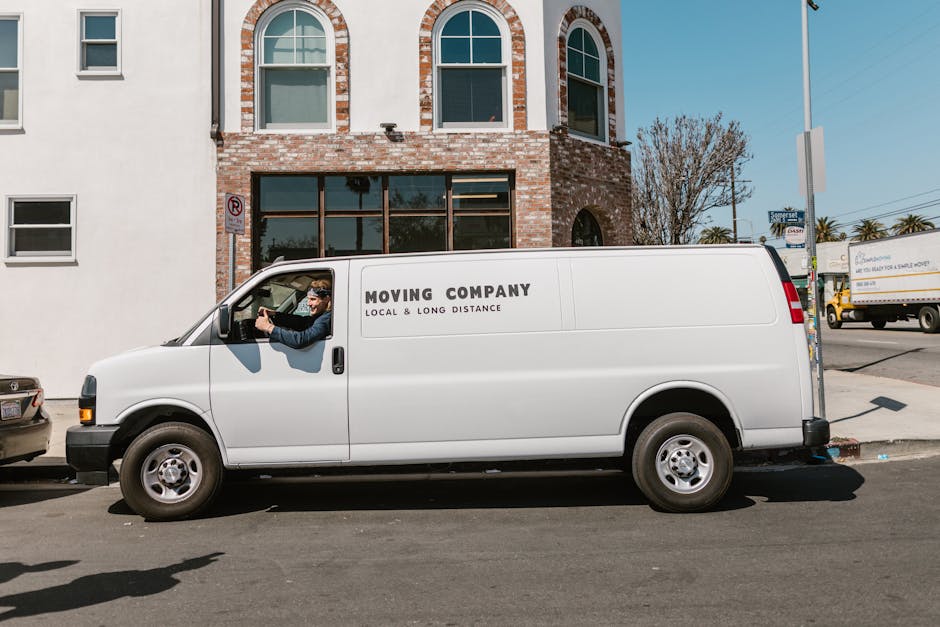
Park-to-home moves near Runnymede Meadow and Staines Rd: a practical guide for smooth local removals
If you are planning a move that starts near Runnymede Meadow or along Staines Rd, the job can look simple on paper and then get fiddly very quickly in real life. Tight access, short parking windows, a few heavy pieces, maybe a wet path after a morning shower - all of that matters. Park-to-home moves near Runnymede Meadow and Staines Rd are exactly the kind of local move where a bit of planning saves a lot of stress.
This guide walks through how these moves work, who they suit, what can go wrong, and how to get the most out of a local removals team. You will also find practical tips on access, timing, packing, compliance, and the small decisions that make the difference between a smooth handover and a chaotic afternoon. Truth be told, the moving day is rarely the hard part. It is the 20 little things before it that catch people out.
For readers comparing options, it can help to look at broader home moving services as well as a more flexible man and van solution if the load is smaller. Either way, the goal is the same: get belongings from a vehicle parked nearby into the home safely, efficiently, and without unnecessary drama.
Table of Contents
- Why Park-to-home moves near Runnymede Meadow and Staines Rd Matters
- How Park-to-home moves near Runnymede Meadow and Staines Rd Works
- Key Benefits and Practical Advantages
- Who This Is For and When It Makes Sense
- Step-by-Step Guidance
- Expert Tips for Better Results
- Common Mistakes to Avoid
- Tools, Resources and Recommendations
- Law, Compliance, Standards, or Best Practice
- Options, Methods, or Comparison Table
- Case Study or Real-World Example
- Practical Checklist
- Conclusion
- Frequently Asked Questions
Why Park-to-home moves near Runnymede Meadow and Staines Rd Matters
This type of move sounds straightforward: a vehicle parks close by, the crew carries items from the road or a nearby loading spot into the property, and everything is done. In practice, the local environment changes the whole experience. Busy roadside parking, foot traffic, limited stopping space, shared access points, and the possibility of needing to walk items a short distance all affect speed and safety.
Near Runnymede Meadow, you may also have to think about walking routes, weather exposure, and how long items are left outside while the team resets between loads. Along Staines Rd, the practical issue is often road access and the need to keep things moving efficiently. Not every move needs a full-size truck parked directly outside the door. Sometimes, a smaller vehicle and a smart carry plan are the better fit.
Why does this matter so much? Because the cost of a move is not only about mileage or total volume. It is about time, access, lifting, risk, and the amount of handling required. A sofa that has to be carried 40 metres over uneven paving is a different job from a sofa that comes straight off the back of a vehicle and through the front door. Easy enough to say, but those details drive the whole day.
If you are still deciding whether you need a fuller household service or a lighter local move, the company's house removalists page can help you compare a more structured move with a smaller, more flexible setup. For some customers, that clarity is the difference between overbooking and choosing the right job size.
How Park-to-home moves near Runnymede Meadow and Staines Rd Works
The basic model is simple. The removal vehicle parks at the nearest safe and legal point to the property, then the crew carries items from the vehicle to the home. Depending on the property layout, this may involve a short walk along a driveway, path, shared entrance, or front garden access. For flats or terraced homes, the carry distance can matter just as much as the item count.
These moves are often used for:
- single-room or partial home moves
- student moves and temporary relocations
- furniture collection and delivery
- small household moves where access is awkward
- local transfers between nearby addresses
In a typical job, the process starts with a quick assessment of access. That may include parking restrictions, road width, steps, whether there is space to unload, and whether any large furniture needs dismantling. From there, the team decides whether a smaller van, a larger removal truck, or a more specific removal truck hire option is the best fit.
A useful thing to understand is that park-to-home moving is less about the vehicle itself and more about the hand-carry phase. That is where most delays happen. A clear path, decent loading position, and properly packed boxes can save time immediately. If you have ever tried to carry a bulging laundry bag through a narrow gate while holding a door open with your hip... well, you know why planning matters.
For people with fragile items, awkward layouts, or extra unpacking support, adding packing and unpacking services can reduce pressure on the day. It is not always necessary, but it can make a surprisingly big difference if you are already stretched thin.
Key Benefits and Practical Advantages
The main advantage of a park-to-home move is flexibility. You do not need a lorry parked directly outside the door for the whole job, which is useful in areas where roadside space is limited or access is not ideal. That flexibility often means fewer headaches and a more realistic plan.
Practical advantages include:
- Better access planning: A crew can work around tight spaces and still move items safely.
- Lower disruption: Local traffic and neighbours are less affected when the loading plan is tidy.
- Efficiency for smaller moves: You avoid paying for more vehicle capacity than you need.
- Reduced risk of damage: Short, controlled carries are often safer than forcing a poor parking setup.
- Convenience: Ideal if you are moving from a flat, a maisonette, or a home with awkward frontage.
There is also a comfort factor that people often overlook. When the mover handles the heavy part and keeps the flow steady, you can focus on the bits that are mentally draining: the keys, the meters, the fragile box marked "misc" that somehow contains cables you will need by Friday. We have all been there.
From a service perspective, many customers appreciate that park-to-home moves can sit neatly between a full domestic move and a one-off collection. If you need a more direct, lighter solution, a man with van arrangement may suit a compact job. If the load is bigger or the furniture is bulky, a moving truck may be the safer call.
Who This Is For and When It Makes Sense
This kind of move is not just for people moving house. It suits anyone who needs items transferred from a nearby parking spot into a property with a practical carry route. The best jobs for this setup are usually local, moderate in scale, and sensitive to access constraints.
It often makes sense if you are:
- moving into or out of a property close to limited parking
- relocating from a flat, apartment, or upper-floor home
- collecting furniture from a shop, storage space, or private seller
- moving on a tight timetable and need a quick, local solution
- trying to avoid the cost of a larger, full-service move
It also works well for people who are doing a staged move. For example, you may move boxes one day, then larger furniture the next. That can be a bit messy in the calendar, but sometimes it is the sanest option. Especially if you are juggling work, kids, or a rental handover.
For businesses nearby, the same access logic applies in a commercial setting. If the move is work-related, you may be better served by a specialist commercial moves service or even office relocation services if desks, files, and IT equipment are involved. Different job, different risk profile.
And if you just need a small load shifted from one place to another, a simple furniture pick-up may be enough. That is often the cleaner, cheaper answer when there is no full household move in the mix.
Step-by-Step Guidance
A good move near Runnymede Meadow or Staines Rd usually runs better when it is handled in a simple sequence. Not flashy. Just organised. Here is the practical version.
- Check access first. Look at parking, road width, steps, door thresholds, and whether the vehicle can stop safely close enough.
- List the items clearly. Note the bulky pieces, fragile items, and anything that needs disassembly.
- Measure where needed. Doors, stair turns, and hallways are the usual trouble spots.
- Choose the right vehicle size. A smaller van can be enough for a lighter load, while bigger furniture may justify a truck.
- Pack for carrying, not just storage. Strong boxes, sealed lids, and manageable weights help enormously.
- Confirm the loading point. Make sure everyone knows where the vehicle will park and who will direct the handover.
- Protect floors and furniture. Use blankets, straps, wrapping, and careful lifting techniques.
- Do a final walk-through. Check cupboards, loft spaces, sheds, and behind doors. It is always the charger lead, somehow.
A small but useful point: if your property has a narrow front path or a shared entrance, tell the movers in advance whether items need to be carried one at a time. That can affect timing more than people expect. One sofa carried properly is fine. Three awkward pieces with no staging area is where the day begins to wobble.
If packing feels like the most difficult part, the company's pricing and quotes page can help you understand how different service levels are usually approached. A clear quote is not just about cost. It also gives you a sense of what is included and where the job boundaries sit.
Expert Tips for Better Results
In our experience, local park-to-home moves go best when the plan is boringly clear. That is a compliment, by the way. Boring is good on moving day.
- Choose the closest safe parking point, not the closest possible one. A slightly longer carry route can still be safer and faster if it avoids traffic or awkward reversing.
- Keep a "first into the house" box. Put kettle, phone charger, toiletries, and basic tools in one place so you are not hunting through twenty boxes at 9 p.m.
- Label by room and priority. Not just "kitchen" but "kitchen - open first".
- Leave a clear walkway inside. It sounds obvious, but clutter at the threshold slows everything down.
- Wrap soft furnishings before moving day. A damp seat cover after a drizzle is not the end of the world, but it is annoying.
- Take photos of fragile or valuable items. This helps with condition checks and peace of mind.
Another tip: if you know access will be tight, say so early. Do not wait until the van is already turning in. Good movers can work around a lot, but they cannot work around surprises they were never told about. Sounds simple, but it saves arguments.
For added reassurance, it is worth checking a provider's approach to handling items safely. The company's insurance and safety page is a sensible place to start if you want to understand how belongings are protected in transit and during loading.
Common Mistakes to Avoid
People usually do not get park-to-home moves wrong because they are careless. More often, they underestimate the access details. That is the real trap.
- Assuming parking will be easy on the day. It may not be, especially near busier local roads or residential pockets.
- Overfilling boxes. A box that looks neat can still be too heavy to carry safely.
- Not measuring the largest item. Sofas, wardrobes, and mattresses are often the items that force a rethink.
- Leaving packing until the last evening. That usually leads to messy boxes, missing labels, and stress.
- Forgetting about wet weather. UK moving days and drizzle have a long-standing relationship. Not a glamorous one, mind you.
- Choosing the wrong service level. A light van job is not always enough, and a large truck can be overkill for a few boxes.
One more common issue: people forget the "carry chain". That means the sequence from vehicle to pavement to path to door to interior space. If one link in that chain is awkward, the whole move slows down. A step at the entrance, a narrow gate, or a low porch light can matter more than the furniture itself.
And if you are dealing with old items that need removing as part of the move, it can be useful to arrange disposal separately. That is where a page like recycling and sustainability becomes helpful, especially if you want to avoid leaving unwanted furniture in a corner "for now". We all know what "for now" means. Weeks, usually.
Tools, Resources and Recommendations
You do not need fancy kit to make a local move work well. But a few practical tools help more than most people expect.
| Tool or Resource | Why it helps | Best use case |
|---|---|---|
| Strong boxes and tape | Keeps loads stable and easier to stack | Books, kitchenware, mixed household items |
| Furniture blankets | Protects corners and finishes | Sofas, tables, wardrobes |
| Straps and bungees | Stops items shifting during transport | Loose furniture and mixed loads |
| Dolly or sack truck | Reduces carrying strain for heavier items | White goods, boxed loads, awkward bundles |
| Room labels and marker pens | Makes unloading faster and more organised | Any move bigger than a few items |
For service support, a local moving team that offers flexible vehicle options can be useful if you are unsure how much capacity you need. You can also look at broader support such as man with van for smaller jobs or removal truck hire for larger loads that need more structure.
It can also help to compare the service's trust pages before you book. The company's health and safety policy, payment and security, and about us pages all give useful context about how the business works and what standards it aims to follow.
If you prefer to speak to someone directly, the contact page is the obvious next step. Sometimes a short call clears up more than ten emails. Funny how that still holds true.
Law, Compliance, Standards, or Best Practice
For a park-to-home move, the main compliance issues are usually practical rather than highly technical. Still, they matter. Parking must be lawful and safe. Loads must be secured properly. Lifting should be done with care. If the move is on a public road, crews should avoid creating unnecessary obstruction or risk.
In the UK, movers and customers typically work within ordinary road, access, and property considerations rather than special paperwork for a small domestic job. But that does not mean "anything goes". Good practice usually includes:
- checking access before arrival
- respecting parking restrictions and neighbour access
- using appropriate lifting techniques
- protecting floors, walls, and door frames
- storing or transporting items securely
For the customer, it is sensible to review terms before booking and understand what the quote includes. That is where the company's terms and conditions can be useful. If you have concerns about service expectations, the complaints procedure is worth a look too. Ideally, you never need it. But it is better to know it exists.
Accessibility can also matter if someone in the household has mobility needs or if the route to the property is not straightforward. In those cases, planning around the safest route and clearest handover point is not just good practice - it is the right thing to do. Little things, but they add up.
Options, Methods, or Comparison Table
Choosing the right moving method depends on the size of the load, how close the vehicle can park, and how much help you need with carrying, loading, and unloading. Here is a simple comparison.
| Option | Best for | Strengths | Possible downside |
|---|---|---|---|
| Park-to-home move | Short local moves with nearby parking | Flexible, efficient, often cost-aware | Depends on access and carry distance |
| Man and van | Smaller house moves, collections, deliveries | Quick, adaptable, good for light-to-medium loads | May not suit bulky or high-volume moves |
| Moving truck | Heavier or larger household loads | More space, better for bigger jobs | Can be harder to position near tight roads |
| Full home move service | Whole-house relocations | Most structured support, less for you to manage | Can be more than you need for a small local job |
There is no single best choice. The best choice is the one that matches your access, your belongings, and your tolerance for stress on the day. If you are only moving a sofa, a bed, and a few boxes, do not let someone sell you a massive solution because it sounds impressive. On the flip side, do not underplay the job if there are three flights of stairs and a tight landing. Both mistakes are common.
Case Study or Real-World Example
Here is a realistic example based on a typical local job. A couple moving into a home near Staines Rd had a small van worth of belongings: a bed frame, mattress, two chests of drawers, kitchen boxes, and a compact sofa. Parking directly outside was not guaranteed, but there was a safe stopping point a short walk away. The front path was narrow, and the entrance had one step up.
The job went well because the team planned for the access limitations before arrival. The bed frame was dismantled in advance, the boxes were labelled by room, and the sofa was wrapped to protect the fabric from a damp morning. Nothing dramatic happened, which is exactly what you want.
The key difference was that the customers had already measured the hallway and stairs. That small bit of prep meant the team did not need to guess whether the wardrobe would turn cleanly or need another route. No surprises. No sudden "hmm, let's try the side angle". Much calmer.
If the same move had included more furniture or a need to dispose of old items, the plan might have shifted towards a larger vehicle or a combined removal and disposal approach. That is why a quick pre-move conversation is so valuable: it helps the move fit the reality of the property instead of forcing the property to fit the move.
Practical Checklist
Use this checklist a day or two before moving time. It is plain, but it works.
- Confirm the parking or drop-off point near the property
- Measure large furniture and doorways
- Decide what is going, what is staying, and what is being recycled
- Pack fragile items separately and label them clearly
- Keep essentials in one easy-to-reach box
- Protect floors, corners, and delicate furniture surfaces
- Tell the moving team about steps, gates, lifts, or shared entrances
- Keep keys, codes, and contact numbers handy
- Review quote details and any service limits
- Check the weather forecast and prepare covers if needed
Quick expert summary: the smoother the parking plan and the cleaner the carry route, the easier the whole move becomes. Most delays in local removals are not caused by the van itself. They are caused by access details that were never discussed early enough.
Get a free quote today and see how much you can save.
Conclusion
Park-to-home moves near Runnymede Meadow and Staines Rd are a smart solution when you need a local move that is practical, flexible, and shaped around real-world access. They are especially useful when parking is limited, the load is moderate, or you want a simpler alternative to a full household relocation.
The best results usually come from clear access information, sensible packing, the right vehicle choice, and a moving team that understands how local streets and residential layouts affect the job. That is the real difference between a move that feels rushed and one that feels controlled. Not perfect, just controlled - and that is enough.
If you take one thing away, let it be this: a good move is mostly decided before the van arrives. Get the plan right, and the rest tends to fall into place. Calmly, steadily, one box at a time.
Frequently Asked Questions
What does a park-to-home move actually mean?
It means the moving vehicle parks at the nearest safe, legal point and the team carries items from there into the property. It is common where direct doorstep parking is not practical.
Is a park-to-home move the same as a man and van service?
Not always. A man and van service is usually about the vehicle and crew setup, while park-to-home describes the access method. Many jobs combine both ideas, but they are not identical.
How do I know if this type of move is right for my property?
If your home has limited parking, shared access, narrow frontage, or a short carry route from the road, it is often a good fit. A quick access check usually tells you more than guesswork.
Will I need to dismantle furniture before the move?
Sometimes, yes. Large wardrobes, beds, and some tables are easier and safer to move when dismantled. If you are unsure, ask the mover after sharing measurements and photos.
Can a park-to-home move handle heavy items like sofas or appliances?
Yes, if the team has the right equipment and the access route is manageable. Heavy items are one reason why planning and correct lifting matter so much.
How far can movers reasonably carry items from the vehicle?
That depends on the job, the load, and the route. A short carry is normal for park-to-home moves, but the exact distance should always be discussed in advance because it affects time and effort.
What should I do if parking is uncertain on the day?
Tell the moving company before the booking is finalised. It helps to identify backup loading points and whether a smaller vehicle or different arrival time would reduce the risk.
Are these moves cheaper than a full removal service?
Often they can be, especially if the load is smaller and the job is local. But cost still depends on access, item volume, labour, and the time needed to complete the move safely.
What if I need packing help as well?
That is a common request. Some customers book packing and unpacking support to make the day smoother, especially if they are short on time or moving fragile items.
How can I avoid damage during a short local move?
Use proper wrapping, strong boxes, and clear labels, and make sure the carry route is free of clutter. Damage usually happens during handling, not during the short drive.
Do I need to read the terms before booking?
Yes, it is a sensible habit. Terms explain what the service includes, how payments work, and what to expect if plans change. A little reading now can prevent confusion later.
How do I book the right service for my move?
Start by listing the items, checking access, and noting any awkward pieces or stairs. Then contact the provider with those details so they can suggest the most suitable option for your move.